Music Venue Identity: Atmosphere, Sound Design and Fan Memory Cues
How Great Venues Turn Sound Into a Signature
A music venue earns its identity before the headline act walks out. Red Rocks was officially dedicated in 1941, and its sandstone walls still give the Morrison amphitheater a look no indoor room can fake. Nashville’s Ryman Auditorium opened in 1892 with the May Music Festival, then carried church pews, country radio history, and hard touring into one room. Fans remember those details because atmosphere is not decoration; it is the first track on the setlist.
The Room Has to Speak Before the Band
A strong venue begins with a physical cue that tells the crowd where it is. At the Cavern Club in Liverpool, The Beatles played 292 times between 1961 and 1963, and the low brick cellar still frames that story before a guitar is tuned. The Ryman’s wooden pews make a seated audience behave differently than a standing crowd at Brixton Academy or the Bowery Ballroom. Even the walk from the bar to the floor shapes memory, especially when the sightline opens just as the drummer counts in.
Sound Design Beats Decorative Noise
Royal Albert Hall opened in 1871, but its famous dome created echo problems that later required suspended acoustic diffusers, nicknamed “mushrooms,” and a major 2018 sound-system upgrade. That history shows why design has to serve the mix, not just the camera. A venue with clean low-end, controlled reflections, and a stage that lets vocals sit above cymbals gives smaller acts the same chance as arena bands. Sound matters. A bad room makes even a tight 45-minute set feel longer than it is.
Phones Changed the Pause Between Songs
Modern venue identity also lives on the phone screen. Fans check train times, setlist guesses, merch prices, and clips from the previous night while waiting for doors at 7 p.m. The same digital habit explains why betting apps with free bonus offers are judged by details that look small at first: wagering rules, stake limits, odds movement, and whether a promotion applies to football, cricket, or casino products. A useful app does not hide the terms behind a bright button, because a bonus only makes sense when a user understands rollover, eligible markets, and bankroll limits. Venues face the same test in another form: the design has to make the next step clear without shouting.
Lighting Gives the Crowd a Role
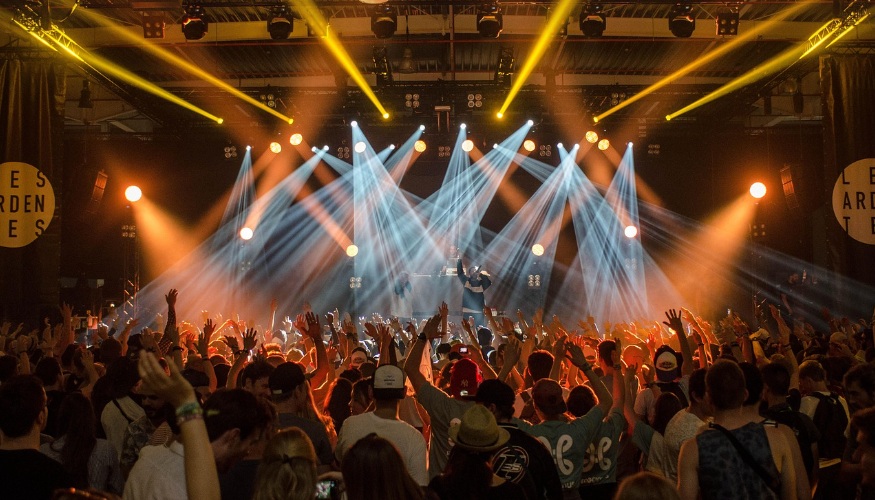
Lighting design can turn a simple room into a place with a pulse. At Red Rocks, dusk does half the work before the first spotlight hits the stage, while a basement club has to build shape with low ceilings, side glow, and shadows around the drum kit. The best rooms let the audience see itself at the right moments: a chorus, an encore clap, a phone-light wave during one slow song. A flat floodlight kills that exchange in 10 seconds.
Trust Starts at the Door and on the Download Screen
That same thinking carries over to venue apps, ticket wallets, and anything downloaded from outside official stores. If a fan looks up MelBet apk download, it makes sense to treat it like scanning a random QR code at a merch stand: check where it comes from, look at the permissions it asks for, and read through the KYC or payment rules before using any betting features. Sports betting and casino apps need extra care because odds, deposits, bonuses, and account details are all tied to one device. Quick access only helps if the user understands what they’ve installed and how it works.
The Best Rooms Leave One Detail Behind
A memorable venue does not need a gimmick if the design leaves one exact image behind. It might be the red rock wall behind a snare hit, the Ryman pew creaking before a quiet verse, or the Cavern brickwork sweating under a full room. The identity sticks because sound, movement, light, and history agree with each other for two hours. That is enough.

RenownedForSound.com’s Editor and Founder
Interviewing and reviewing the best in new music and globally recognized artists is his passion.
Over the years he has been lucky enough to review hundreds of music releases and concerts and interview artists ranging from top selling superstars like 27-time Grammy Award winner Alison Krauss, Boyz II Men, Roxette, Cyndi Lauper, Lisa Loeb, Tori Amos and iconic, late Eagles front man/songwriter, Glenn Frey through to more recent successes including Newton Faulkner, Janelle Monae and Caro Emerald.
Brendon manages and coordinates the amazing team of writers on RenownedForSound.com who are based in the UK.