How Online Ticketing Is Changing the Music Industry in Australia
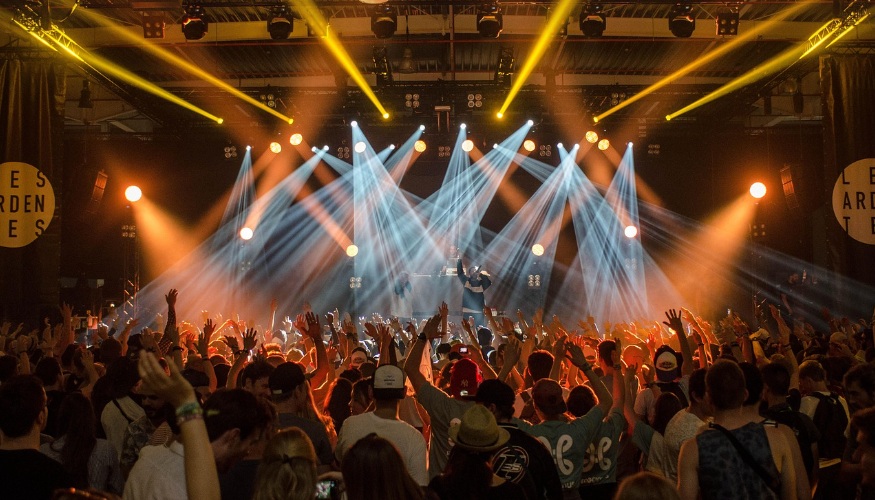
The experience of buying a concert ticket has changed almost beyond recognition over the past two decades. Where fans once queued outside box offices or dialled premium-rate phone lines, the entire process now happens in seconds on a smartphone. That shift has made live music more accessible in some ways — and considerably more complicated in others.
Ticket revenue and attendance are tracking at their highest levels since records began, yet the way those tickets are sold, priced, and resold is generating real friction between fans, artists, and the platforms that sit between them.
From Box Office Queues to Digital Platforms
Online ticketing didn’t just replace physical infrastructure — it created an entirely new industry. In Australia, for instance, the online event ticket sales sector is projected to reach A$470.4 million in market size in 2026, with revenue growing at an annualised 11.8% over the past five years. Major platforms like Ticketek and Ticketmaster Australasia now control a large share of that market, operating not just as sales channels but as data ecosystems that capture detailed information about fan behaviour and preferences.
The scale this infrastructure enables is striking. Australia’s live performance industry generated approximately A$3.35 billion in ticket revenue in 2024 — up 6.9% on the previous year — with contemporary music leading the charge at A$1.8 billion and attendance growing 17.3% to nearly 14.1 million. Those numbers would simply not be possible without digital sales infrastructure running at scale.
Dynamic Pricing and the Fan Backlash
The same platforms delivering this boom are also at the centre of growing consumer frustration. Dynamic pricing — where ticket costs rise algorithmically as demand increases — has sparked considerable backlash, particularly when fans discover that an advertised base price bears little resemblance to what they actually pay at checkout. Service fees, facility charges, and booking levies piled on late in the purchase process have become a flashpoint for regulators and fans alike.
Instant digital transactions are now standard across many entertainment and service sectors; those exploring options like fast payout casinos for Australians will recognise a similar consumer expectation for speed and transparency that fans now bring to concert ticket purchases. The appetite for frictionless, upfront digital experiences has raised the bar — and exposed how far ticketing platforms sometimes fall short of it.
Australia’s regulators have taken notice. The ACCC’s enforcement action on “drip pricing” — where mandatory fees are revealed only at the final checkout stage — has extended into the ticketing and entertainment sector. A 2025 drip-pricing penalty levied against Dendy Cinemas became a reference point for the wider industry, signalling that compulsory booking fees must be displayed upfront in any online ticketed offer, including concerts and festivals.
How Instant Transactions Are Reshaping Live Entertainment
The move to mobile-only and app-based tickets has reshaped the entire live event experience. Paper tickets are now largely extinct for major Australian tours. Digital transfers, QR codes, and tap-to-scan entry systems have streamlined the gate experience significantly — but they’ve also created new barriers for fans without reliable smartphone access or strong digital literacy.
Payment integration has deepened alongside these changes. TEG’s partnership with PayPal, offering fans access to buy-now-pay-later options through Ticketek’s integrated payment model, reflects a broader trend of ticketing companies extending their control across the full purchase journey — from discovery through to final entry. For many fans, it’s seamless convenience; for others, it tethers live music access to specific digital wallets and data ecosystems they may not want.
What the Shift Means for Artists and Tours
For artists, online ticketing data has become a strategic asset. Purchase patterns, geographic spread, and browsing behaviour help shape routing decisions, marketing campaigns, and venue selection for major tours. In this sense, digital platforms have given the music industry a level of audience intelligence that simply didn’t exist in the box office era.
The trade-off is one of control. Because a handful of conglomerates dominate the ticketing landscape, artists and managers often have limited leverage over how fees are structured or how aggressively dynamic pricing is applied. Fans frequently direct their frustration at the artist, even when pricing decisions are driven entirely by platform policy. Scalping compounds the problem — with Australian states maintaining a 10% resale cap for declared major events, legal resale markets are tightly restricted, yet offshore platforms continue to list tickets well above face value, exploiting the gap between state-level legislation and global enforcement reach. The result is a live music ecosystem that is simultaneously more accessible and more contested than at any point in its history.

RenownedForSound.com’s Editor and Founder
Interviewing and reviewing the best in new music and globally recognized artists is his passion.
Over the years he has been lucky enough to review hundreds of music releases and concerts and interview artists ranging from top selling superstars like 27-time Grammy Award winner Alison Krauss, Boyz II Men, Roxette, Cyndi Lauper, Lisa Loeb, Tori Amos and iconic, late Eagles front man/songwriter, Glenn Frey through to more recent successes including Newton Faulkner, Janelle Monae and Caro Emerald.
Brendon manages and coordinates the amazing team of writers on RenownedForSound.com who are based in the UK.