How Music Can Help Poker Players Manage Long Tournament Sessions
7 min read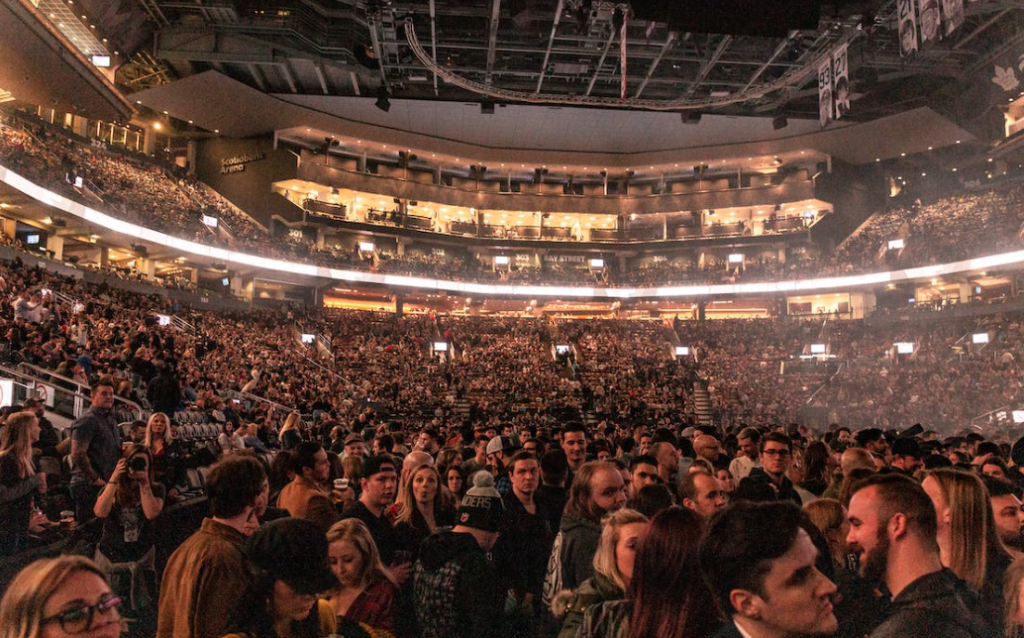
At hour six, the room sounds different. Chips strike the felt as chairs scrape the floor. Short conversations merge into a steady mechanical hum. A player who felt alert at the opening may now notice every interruption. Music can give that changing soundscape a more stable boundary when it is selected to remain in the background rather than compete for attention.
Long tournament sessions create a practical concentration problem. A participant must remain observant through quiet stretches and emotionally neutral after abrupt results. Music cannot supply judgment or correct fatigue. It can support a routine that softens background sound and helps the player return to a familiar mental pace.
The Function of a Personal Soundtrack
A tournament playlist should have a defined job. One player may need to mask nearby conversation. Another may use a familiar album as a cue to settle down before the first hand. A third may reserve music for scheduled breaks and keep the table itself quiet.
Those uses require different selections. Music chosen for sound masking needs an even texture. A pre-session cue can be distinctive because it ends before decisions begin. A break track may have enough energy to interrupt a sluggish mood.
The first test is simple: can the player still follow action without effort? If attention repeatedly shifts toward a lyric or instrumental change, the soundtrack is competing with the task. Lowering the volume may solve the problem. In other cases, silence is the more effective choice.
Attention During Uneventful Periods
Concentration can slip during ordinary hands. Repetition encourages the mind to drift, especially when a player has folded several times in succession. The missing detail may be the order of two actions or a change in an opponent’s timing.
For some players, steady music may reduce the urge to seek novelty elsewhere. A predictable background provides mild stimulation without demanding a response. This may be useful when the room is inconsistent, with announcements and isolated bursts of conversation breaking long quiet periods.
The soundtrack should remain secondary. Players need to hear the dealer and recognize when action reaches their seat. Any setup that causes missed verbal information has failed its basic purpose, regardless of how calm it feels.
Emotional Pacing After Difficult Hands
A lost pot can create a sudden change in arousal. Fast, aggressive music may intensify that state when the player needs to slow the next decision. A familiar selection with moderate energy can provide a more stable transition.
This is a matter of association as much as musical style. If a certain track is repeatedly used during calm preparation, hearing it later may recall the same routine. The cue becomes useful because the player has practiced responding to it with slower breathing and a review of the current situation.
Someone accustomed to playing poker should avoid using music to preserve a preferred mood at all costs. Frustration and tiredness contain information. The purpose of a soundtrack is to support deliberate action while leaving those signals available for an honest decision about taking a break.
Lyrics and Cognitive Competition
Lyrics can compete with verbal information because both ask the listener to process language. This is especially noticeable when a player knows every line. The next phrase arrives in memory before the singer reaches it, drawing attention into the song.
The relationship between background music and concentration varies with volume and tempo. Task complexity and personal preference also affect the outcome. Instrumental material is a practical starting point because it removes one obvious source of verbal competition.
Familiarity has two possible effects. A known piece may feel predictable and require little active listening. A favorite song may also invite anticipation or emotional recall. Repeated humming or tapping suggests that the track has moved into the foreground. Waiting for a chorus provides the same evidence.
Tempo and Arousal
Tempo changes the physical character of a playlist. Faster selections may be useful during a walk on a scheduled break. The same pace can feel intrusive when decisions require patient observation. Slow music may feel settling to an agitated listener, though an extremely subdued sequence may also feel unhelpful when drowsiness is already developing.
A PLOS ONE study found that positive-valence music could help restore executive control over sustained attention under specific experimental conditions. Slow, positively rated selections during an intermission reduced missed responses relative to some comparison conditions. Its narrow context supports selective use during recovery periods, with no universal tournament tempo implied.
Energy should therefore change by context. A player might use a brighter selection while standing and moving, then return to quieter material before sitting down. The transition can mark a deliberate change from physical activation to analytical attention.
Scheduled Listening Breaks
Breaks often disappear into unplanned conversation or passive phone use. A short playlist can give the interval a beginning and an end. Two tracks may define time for water and a brief walk without requiring repeated clock checks.
Listening can be reserved for scheduled breaks rather than allowed to continue automatically throughout the session. A defined break also creates an opportunity to check whether the soundtrack is still helping or has simply become another source of stimulation.
Silence also belongs in the plan. Several minutes without headphones provide a break from continuous listening. Alternating music with quiet may remain comfortable longer than one uninterrupted soundtrack.
Volume and Hearing Safety
Long duration makes moderate volume important. A level that seems harmless for one track can become tiring across several hours. Players may also raise the sound to overpower a noisy room, increasing exposure without noticing the gradual change.
Safe listening depends on sound level, duration, and frequency of exposure. The World Health Organization gives 80 decibels for up to 40 hours per week as an example, while 90 decibels reduces that time to 4 hours. It recommends keeping device volume no higher than 60% of maximum and taking frequent auditory breaks.
The lowest useful level is the sensible target. Well-fitted noise-cancelling headphones may also reduce the temptation to raise the volume simply to overpower the room. Music should mask some background detail while leaving announcements and table speech understandable. Ringing, muffled hearing, or discomfort are reasons to stop listening and seek appropriate professional advice if symptoms persist.
Playlist Preparation
A tournament is a poor setting for constant track selection. Preparing the sequence in advance removes repeated choices and reduces the temptation to search for a perfect song after every emotional change. The list should be long enough to avoid obvious repetition, with abrupt transitions removed.
Testing should happen during ordinary study or practice sessions. Note when attention leaves the task or volume starts to climb. Mark selections that produce a strong emotional response. Delete tracks that repeatedly demand notice. The resulting playlist may appear plain, which is appropriate for background material.
Equipment needs the same preparation. Headphones should be fully charged and comfortable, with volume controls easy to reach. Venue rules and table etiquette take priority, so players should confirm that listening equipment is permitted and remove it whenever required.
A Practical Listening Experiment
Music works differently across people and tasks. The most reliable approach is a small personal comparison. During three similar practice blocks, use silence first, an instrumental sequence second, and a familiar mixed playlist third. Record missed details and subjective fatigue after each block.
Keep the best condition only if the observations support it. Then test that setup at a conservative volume and add scheduled quiet periods. One useful change tomorrow is enough. Choose a 30-minute instrumental sequence for a focused practice block, then write down every moment when the music captures attention.
Finding the Right Soundtrack for Long Poker Sessions
The best tournament soundtrack is not necessarily the most relaxing, energetic, or enjoyable one. It is the one that stays secondary while the game remains primary. Music can be useful when it softens distracting background noise, supports a familiar routine, or gives scheduled breaks a clearer structure without interfering with information from the table.
That also means silence can be the better choice. If a playlist causes missed action, encourages emotional escalation, hides signs of fatigue, or repeatedly draws attention toward itself, it has stopped serving its purpose. The useful measure is not how good the music sounds, but whether the player remains observant and deliberate across a long session.
Music cannot remove the demands of tournament poker. Used selectively, however, it can become one small part of a sustainable concentration routine—one that supports attention without trying to replace judgment, rest, or the decision to step away when fatigue takes over.

::: RenownedForSound.com’s Editor and Founder –
Interviewing and reviewing the best in new music and globally recognized artists is his passion.
Over the years he has been lucky enough to review thousands of music releases and concerts and interview artists ranging from top selling superstars like 27-time Grammy Award winner Alison Krauss, Boyz II Men, Roxette, Cyndi Lauper, Lisa Loeb and iconic Eagles front man/songwriter, Glenn Frey through to more recent successes including Newton Faulkner, Janelle Monae and Caro Emerald.
Brendon manages and coordinates the amazing team of writers on RenownedForSound.com who are based in the UK, the U.S and Australia.