Album Review: Noah Kahan – The Great Divide
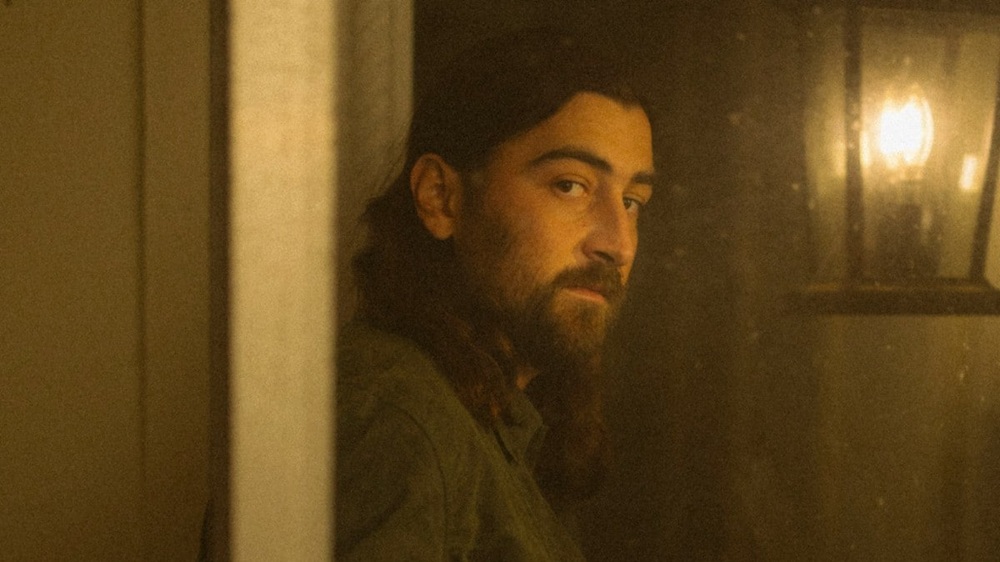
Three years after the breakout success of Stick Season, 29-year-old Vermont singer-songwriter Noah Kahan returns with his fourth album, The Great Divide. It carries forward the warmth of his acoustic folk sound, but there’s something more layered underneath this time – a quiet tension between looking back and learning to sit with the present.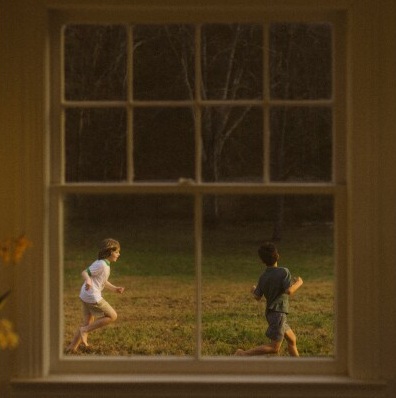 For me, the connection with this album settled in almost immediately, starting with the opening track, End of August. Listening to an album can feel a bit like taking that first bite of a cake – it tends to shape everything that follows. I was lucky that End of August was where I began. After a brief stillness, soft piano notes ease in, unfolding gradually rather than demanding attention. It feels less like a song starting, and more like a scene slowly opening up – nothing too vivid, just a light breeze, a hint of movement across the surface of the water, and space to breathe. There’s something about it that feels like the end of summer – calm, gentle, but quietly grounded. That sense of airiness pulls you in straight away, and it becomes a subtle thread running through the rest of the album.
Across The Great Divide, Kahan stays close to what he does best. The arrangements are built around acoustic guitar and harmonies, with very little in the way of unnecessary production. It’s simple, but in a way that feels intentional – honest, restrained, and easy to sit with.
There’s also a sense of movement running through the record. On the title track, it feels open and expansive, tracing the distance between past and present while leaving room for a kind of quiet release. American Cars shifts into something lighter, with a steady rhythm that feels like driving along a familiar road, the air moving freely through the open window. Haircut turns more inward, built on a simple melody but holding those small, personal moments of growing up.
On Downfall and Deny Deny Deny, the tone becomes more reflective, but never heavy. There’s a softness to the way these songs unfold, making the introspection feel natural rather than overwhelming. That same sense of openness takes on slightly different shapes across the album. Tracks like Lighthouse, Paid Time Off and Willing and Able feel especially light and spacious – the kind of songs that sit well in a quiet afternoon, where everything slows down for a moment. Headed North feels more intimate, like listening to a friend speak without distance, sharing memories in a way that feels easy and familiar. And on We Go Way Back, there’s even a subtle nod to The Beatles in the melody, adding a touch of nostalgia to the folk foundation.
At its core, The Great Divide is an album made for slower moments. It works just as well in the background while you’re getting through the day, as it does when you’re taking time to switch off. On a drive, whether it’s late afternoon or under a soft grey sky, it sits naturally in the space, never intrusive, but always present. There’s nothing overworked or overly polished here. Instead, it’s the simplicity – and the honesty behind it – that holds everything together. In that space, Kahan captures the push and pull of growing up, alongside a quieter sense of freedom that comes with it. It’s a record that doesn’t ask for attention, but rewards it the longer you stay with it.

Grace is a London-based writer and a listener who blurs the lines between genres to find the resonance between sound and emotion. To Grace, experiencing an album is a sensory ritual – much like the first sip of a proper cup of tea. With a keen ear for fleeting details and the invisible threads that connect melody to feeling, she seeks the honesty behind every song, turning the listening experience into a shared emotional journey.