Plan a Music Venue Opening Night: Small Details
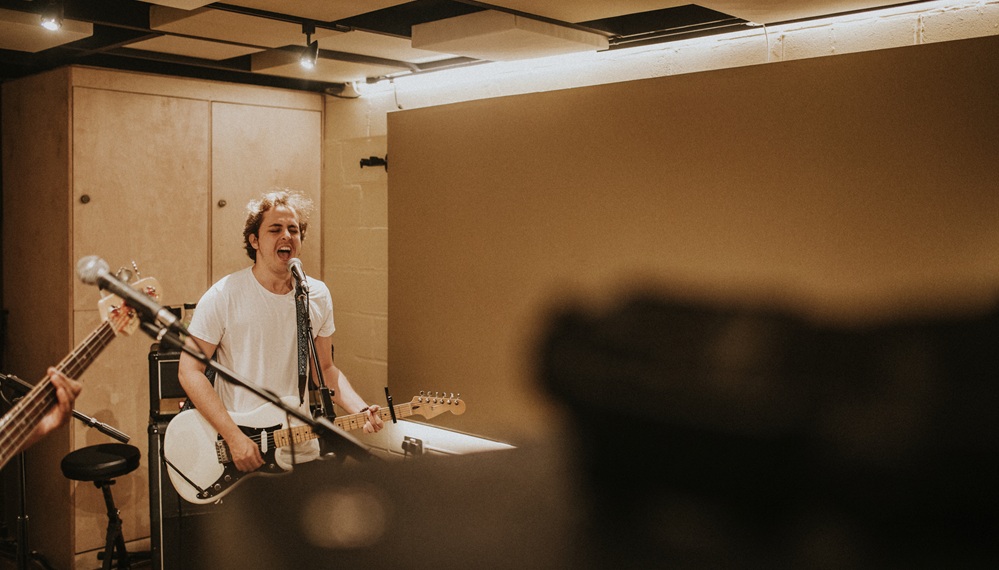
How to Plan a Music Venue’s Opening Night Without Overlooking the Small Details
An opening night is the moment your venue stops being a plan and becomes a place people remember.
The big pieces, such as the lineup, the sound system and the marketing, usually get plenty of attention. It’s the small things that quietly shape the evening: a queue that moves slowly, a card reader that won’t connect, a performer who can’t find the green room.
This guide walks through four sequential steps so you can welcome your first crowd with confidence and a little room to enjoy it.
Step 1: Set the show plan and budget
Start with a simple picture of the night you want. How many people should the room feel comfortable holding, how long should the music run, and what should a guest remember on the way home? Write the plan as a timeline from load-in to last song, then add the people responsible for each part. A plan that lives on one shared page is far easier to follow than one scattered across messages.
Next, build the budget around that timeline. List every cost you can think of, including performer fees, sound and lighting help, staffing, security, licensing, printing, decorations and refreshments. Then add a contingency line for the things nobody predicted.
Opening nights almost always bring surprises, and a modest cushion stops one surprise from forcing hasty compromises elsewhere.
The contingency deserves a little more thought, because it is the line people are most tempted to trim. Keep it separate from your other categories rather than spreading it thin, and decide in advance who may approve spending from it. The trade-off is that a protected reserve means less visible polish on the night, perhaps simpler decor or fewer extras.
In return, you can fix a real problem, like a failed piece of equipment, without scrambling or arguing about money while guests are arriving.
When you review the budget, ask which items guests will actually notice. Clear sound, a friendly welcome and a comfortable room matter far more than an elaborate extra that few will remember. Some venues also set aside a small allowance for opening-night extras such as celebration gift baskets from It’s Only Natural Gifts for opening night to thank key supporters.
Step 2: Prepare the entrance and checkout
Guests form their first impression at the door, so treat the entrance as part of the show. Make sure the way in is well lit, clearly signed and easy to find from the street. Decide where a line will form, how it will move, and where people can wait comfortably if it is cold or wet. A friendly face with a clear greeting sets the tone before anyone hears a note.
Ticket checking should be quick and forgiving. Bring a guest list in more than one form, such as a printed copy and a digital one, so a dead phone or patchy signal doesn’t stall the line.
Give door staff a simple plan for common situations: a missing ticket, a name spelled differently, a guest who arrives with a friend who wasn’t expected. Agreeing on the answers beforehand keeps everyone calm.
Checkout and payment deserve the same care. Test card readers, tills and any mobile payment tools in the actual space, since connections can behave differently once the room is full.
For tablet-based checkout, an iPad POS system from VidaBox for a music venue checkout is one option to consider for the bar, with a plain price list visible at the bar and merchandise table. Staff should know how to handle refunds, tabs and mistakes without hunting for a manager.
Before doors open, confirm that each of these opening-night basics has a named owner:
- Printed and digital guest list copies
- Spare cables, batteries and gaffer tape
- Cash float and card reader backup
- Clear signage for entrance, toilets and exits
- Performer schedule with set times and curfew
- Thank-you notes or messages ready to send.
A short list with names beside each item turns vague good intentions into things that actually get done.
Step 3: Coordinate performers and opening-night thank-yous
Performers do their best work when they feel looked after. Send each act a clear information sheet well ahead of time covering arrival and soundcheck times, set length, parking or loading access, backstage facilities, what refreshments are provided and who their contact is on the night. Confirm everything again a day or two before, because details drift and people forget.
Plan the order of the evening with some breathing space. Changeovers almost always take longer than expected, so leave a little slack between sets rather than packing the schedule tight.
Make sure the sound technician has each act’s needs in advance, including instruments, inputs and any backing tracks. A calm, well-run soundcheck sets the tone for everything after it.
Opening night is also a chance to say thank you properly. Think about everyone who helped the venue reach this point, from builders and suppliers to staff, volunteers, neighbours and early supporters.
Prepare short, sincere acknowledgements in advance, whether a spoken word between sets, a handwritten card, or a message sent the next morning. Decide who will speak and keep it brief so the music stays at the center.
| Pro Tip: One practical habit makes all of this easier: write a one-page running order that shows set times, changeover windows, announcement moments and thank-you slots, and share it with staff and performers alike. When everyone reads from the same sheet, small delays are handled quietly and the audience never sees the effort. |
Step 4: Run through the evening before doors open
Set aside time on the day for a walk-through from the guest’s point of view. Start outside, approach the entrance, join an imaginary line, and move through the room as a first-time visitor would.
Look for unclear signs, awkward bottlenecks, dim corners, sticky floors and anything that would make you hesitate. Then do the same from behind the bar and backstage, where different problems tend to appear.
Hold a short briefing with the whole team before doors open. Go through the running order, who is in charge of what, where first aid and exits are, and how to reach the person who can make decisions. Make sure everyone knows the plan if something goes wrong, such as a power issue or an overcrowded area, so they can act without waiting for instructions.
Finally, take a breath. Check the temperature, the music playing in the room, the toilets and the lighting, and give your team a moment to eat and settle. A relaxed host makes a relaxed room.
If you’ve set the plan, prepared the door, looked after your performers and rehearsed the details, you’ve done the hard work. Open the doors, welcome people warmly and enjoy the night you built, knowing the small things are already taken care of.

RenownedForSound.com’s Editor and Founder
Interviewing and reviewing the best in new music and globally recognized artists is his passion.
Over the years he has been lucky enough to review hundreds of music releases and concerts and interview artists ranging from top selling superstars like 27-time Grammy Award winner Alison Krauss, Boyz II Men, Roxette, Cyndi Lauper, Lisa Loeb, Tori Amos and iconic, late Eagles front man/songwriter, Glenn Frey through to more recent successes including Newton Faulkner, Janelle Monae and Caro Emerald.
Brendon manages and coordinates the amazing team of writers on RenownedForSound.com who are based in the UK.