What Encore Culture Says About the Way We Experience Entertainment
5 min read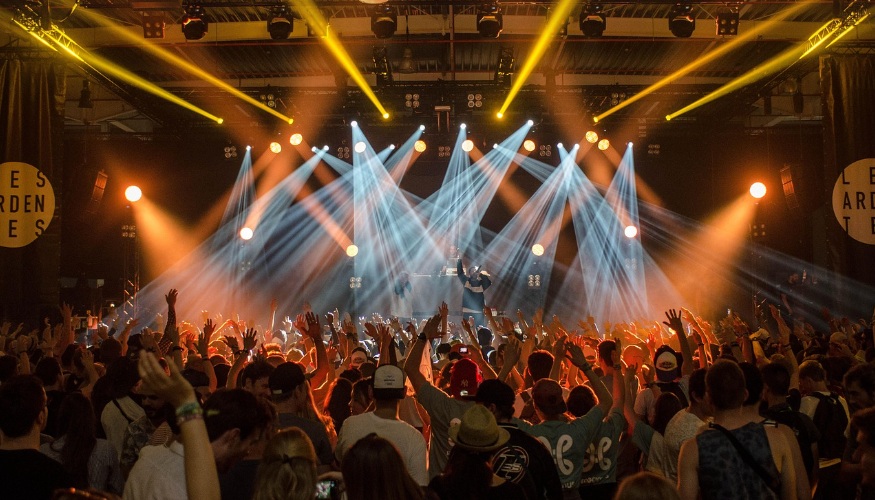
The encore is a strange little ritual when you stop to think about it. The band finishes, walks off, the house lights stay down, and everyone stands there clapping and stamping until the musicians return to play the songs they were always going to play. Nobody is fooled, and yet nobody minds. That shared, willing pretense reveals something deep about how humans experience entertainment, and once you notice the pattern in the encore, you start seeing it everywhere, in how we consume music, games, and everything else designed to hold our attention.
The performance of wanting more
At its heart, the encore is a ritual about desire. The artist leaves so the audience can demonstrate how badly they want more, and the return rewards that demonstration. It is a carefully staged exchange where the crowd performs its hunger and the performer performs generosity, and both sides know their roles. The whole thing works because the wanting is as pleasurable as the getting.
This tells us something important about entertainment in general. We do not just want to be given things; we want to feel like we earned them, like our enthusiasm summoned the reward. The encore formalizes that feeling, turning passive reception into active demand. The best entertainment has always understood this, building in moments where the audience’s desire is acknowledged and answered, because being wanted back is one of the most satisfying experiences a fan can have.
Anticipation is half the pleasure
The genius of the encore is the pause before it. That stretch of clapping and waiting, unsure if the band will really return, sharpens the pleasure of their reappearance enormously. The delay is not a flaw in the experience; it is the mechanism that makes the payoff land. Modern digital entertainment taps into this same instinct. Playing with Sweeps Coins on Spin Blitz offers quick, self-contained rounds that always leave players wanting just one more. Spin Blitz is a free-to-play social platform specializing in fast, high-energy slots, and its rhythm mirrors the encore’s logic of a satisfying moment followed by the easy option to summon another. Anticipation, it turns out, is not the price of the reward but a core part of it.
This principle governs far more of our entertainment than we realize. The gap between wanting and getting is where a huge amount of enjoyment actually lives. Music fans know this intimately, which is why so much pleasure comes from the buildup to a show. Coverage of what fans do between gigs captures how the anticipation of live music becomes an experience in itself, sustained through the long wait. The encore compresses that same dynamic into a few minutes, proving that the waiting is not dead time but part of the show.
The appetite for one more
There is a specific hunger the encore feeds: the desire for just one more. One more song, one more round, one more hit of the thing you are enjoying before it ends. That appetite is one of the most powerful forces in entertainment, and nearly every successful format is built to satisfy it without ever quite exhausting it.
Modern digital entertainment is engineered around this exact craving. Nearly every successful format delivers quick, self-contained hits that always leave room for another, feeding the one-more instinct without ever quite exhausting it. Reporting on why acts insist on the encore ritual traces this hunger back through the history of live performance, showing how deeply the desire for a little bit extra is woven into how we experience a show. The appetite for one more is universal, and the experiences that thrive are the ones that keep that door open.
Ritual makes the experience meaningful
Part of what makes the encore endure is that it is a ritual, and rituals give shared experiences meaning. The predictable structure, the call and response, the collective participation all transform a concert from a passive broadcast into something the audience helps create. We crave these rituals because they make us feel like participants rather than spectators, active contributors to the experience unfolding around us.
The staged, ceremonial nature of the encore is the whole point rather than a flaw. Its history reveals how deliberately this ritual evolved, with the planned encore ritual becoming an expected part of the show over centuries. That shared script gives everyone a role to play, and the sense of collective participation is a huge part of why live entertainment feels so much more meaningful than solitary consumption. We do not just want content; we want rituals we can take part in.
The pleasure of a satisfying ending
The encore also reflects our deep need for entertainment to end well. A show that simply stops feels abrupt and unsatisfying, while one that builds to an encore and then closes gives the experience a shape, a climax, and a proper farewell. We want our entertainment to have an arc, and the encore provides a ritualized way to end on a high rather than just trailing off.
This desire for a good ending shapes how all entertainment is structured. The best experiences are designed with their conclusions in mind, saving something special for the finish so the whole thing resolves on a peak. The encore is simply the most explicit version of this instinct, a formal mechanism for ensuring the night ends at its emotional summit. We remember experiences largely by how they end, and the encore is a tool for making sure that final memory is a good one.
What the encore reveals
Strip it down and the encore is a compact lesson in how humans want to be entertained. We want to feel our desire acknowledged, we savor the anticipation as much as the reward, we crave just one more, we want rituals we can participate in, and we need our experiences to end well. The encore delivers all of this in a few minutes, which is why it has survived for centuries despite everyone knowing it is a performance.
Seeing entertainment through the lens of the encore changes how you understand your own enjoyment. The patterns are everywhere, in the shows you stream, the games you play, and the music you love, all of them working the same fundamental instincts the encore lays bare. We are creatures who love to want, to wait, and to be given one more. The encore just happens to be the most honest and enduring ritual we ever built around that beautifully human truth.

::: RenownedForSound.com’s Editor and Founder –
Interviewing and reviewing the best in new music and globally recognized artists is his passion.
Over the years he has been lucky enough to review thousands of music releases and concerts and interview artists ranging from top selling superstars like 27-time Grammy Award winner Alison Krauss, Boyz II Men, Roxette, Cyndi Lauper, Lisa Loeb and iconic Eagles front man/songwriter, Glenn Frey through to more recent successes including Newton Faulkner, Janelle Monae and Caro Emerald.
Brendon manages and coordinates the amazing team of writers on RenownedForSound.com who are based in the UK, the U.S and Australia.