How Live Concert Setlists Are Planned for Maximum Crowd Impact
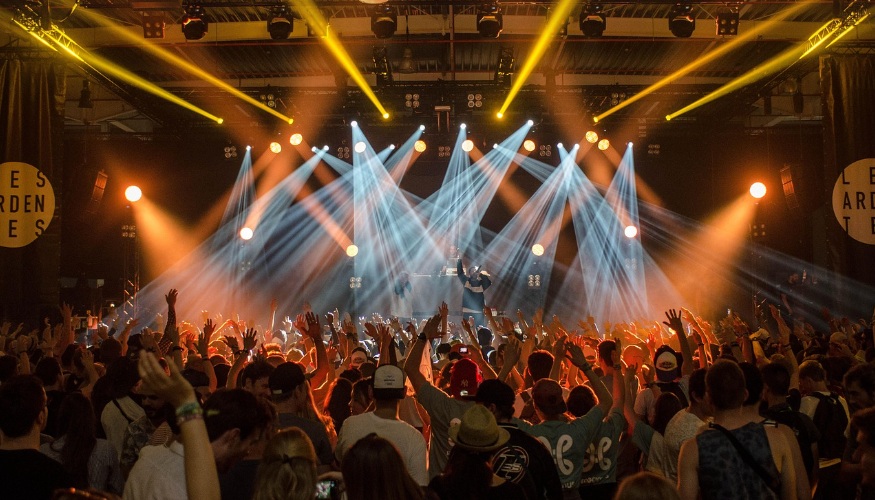
There’s a reason some concerts feel like emotional journeys while others just feel like a collection of songs played in a row. The difference almost always comes down to setlist design, the deliberate, strategic craft of sequencing songs to carry an audience through peaks, valleys, and unforgettable moments. It’s a discipline that sits somewhere between psychology, theatre, and pure musical instinct.
Most fans never think about it consciously. But behind every great live show is a team, including artists, managers, musical directors, and production coordinators, spending weeks or even months working out which song goes where, and why.
Opening Songs Set the Emotional Tone
The opening number carries enormous weight. It announces who the artist is on the night, sets the sonic palette, and signals to the crowd what kind of experience they’re stepping into. Veterans rarely open with their biggest hit; that’s held back. Instead, they choose something that builds energy quickly without burning through the audience’s emotional reserve too early.
This idea, using sound to control emotion, isn’t limited to live music. It shows up everywhere. In cinema, opening audio cues are deliberate: a low, tense score signals danger before anything happens on screen, while a sweeping orchestral intro tells you to expect something grand. Casino gaming follows the same playbook. For instance, International Online Casinos Australia, UK, or even Canadian platforms rely heavily on sound design, spinning reels, rising tones, and near-win cues to create anticipation and keep players engaged. It’s not random noise; it’s an engineered atmosphere, designed to pull you in and keep you there.
Live performance works the same way, just in a more human, immediate form. Artists like Beyoncé and Bruce Springsteen are known for opening with high-energy tracks that establish momentum without revealing their ace too early. Like a film score or a well-designed gaming soundtrack, the goal isn’t to give everything away; it’s to make walking away feel impossible.
Pacing Peaks and Valleys Through the Night
Once the crowd is locked in, the real architecture begins. Experienced touring acts deliberately engineer dips in energy, acoustic segments, ballads, and slower mid-tempo stretches to give audiences emotional breathing room. Without those valleys, the peaks lose their impact.
This push-and-pull structure echoes a storytelling technique. A two-hour set with constant high energy becomes numbing. The quiet moments are what make the loud ones hit harder. Production teams often map setlists visually, plotting energy curves across the full show to ensure no two consecutive sections feel identical in intensity.
How Fan Data and Streaming Influence Choices
Setlist planning has become increasingly data-informed. Streaming platforms provide artists with real-time insight into which songs resonate most deeply with audiences in specific cities or regions. A track that’s an album cut everywhere else might be a genuine fan anthem in Melbourne or Sydney, and smart touring teams adjust accordingly.
Setlist.fm, which crowdsources concert setlists from fans worldwide, has become an unexpected planning tool for touring teams. Artists can track how different sequencing choices land night after night, adjusting based on real audience response rather than gut feeling alone. The site also tracks the most covered artists, the top setlists from artists by country, and venues.
When Artists Break Their Own Formula
The most memorable concert moments often happen when artists deliberately abandon the plan. A surprise cover, an unannounced deep cut, or a spontaneous extended jam can transform a solid show into a legendary one. These moments feel accidental, but they rarely are; they’re built into the architecture as intentional release valves.
Radiohead famously moves significant portions of their setlist night to night, keeping even dedicated fans unable to predict what’s coming. That unpredictability itself becomes part of the emotional experience. It rewards concert attendance over simply watching a recording, because no two nights are quite the same.
The craft of setlist planning sits at the intersection of art and strategy. It respects the audience’s intelligence while working quietly on their emotions, guiding a crowd through an experience they’ll still be talking about long after the venue lights come back on. The best touring artists understand that a great setlist isn’t just a song order. It’s a conversation, and the crowd is always the other half of it.

RenownedForSound.com’s Editor and Founder
Interviewing and reviewing the best in new music and globally recognized artists is his passion.
Over the years he has been lucky enough to review hundreds of music releases and concerts and interview artists ranging from top selling superstars like 27-time Grammy Award winner Alison Krauss, Boyz II Men, Roxette, Cyndi Lauper, Lisa Loeb, Tori Amos and iconic, late Eagles front man/songwriter, Glenn Frey through to more recent successes including Newton Faulkner, Janelle Monae and Caro Emerald.
Brendon manages and coordinates the amazing team of writers on RenownedForSound.com who are based in the UK.